Music people
Debbie Harry and the sound Blondie carried out of downtown New York
From Max’s Kansas City to Heart of Glass and a Warhol portrait drawn on a computer.
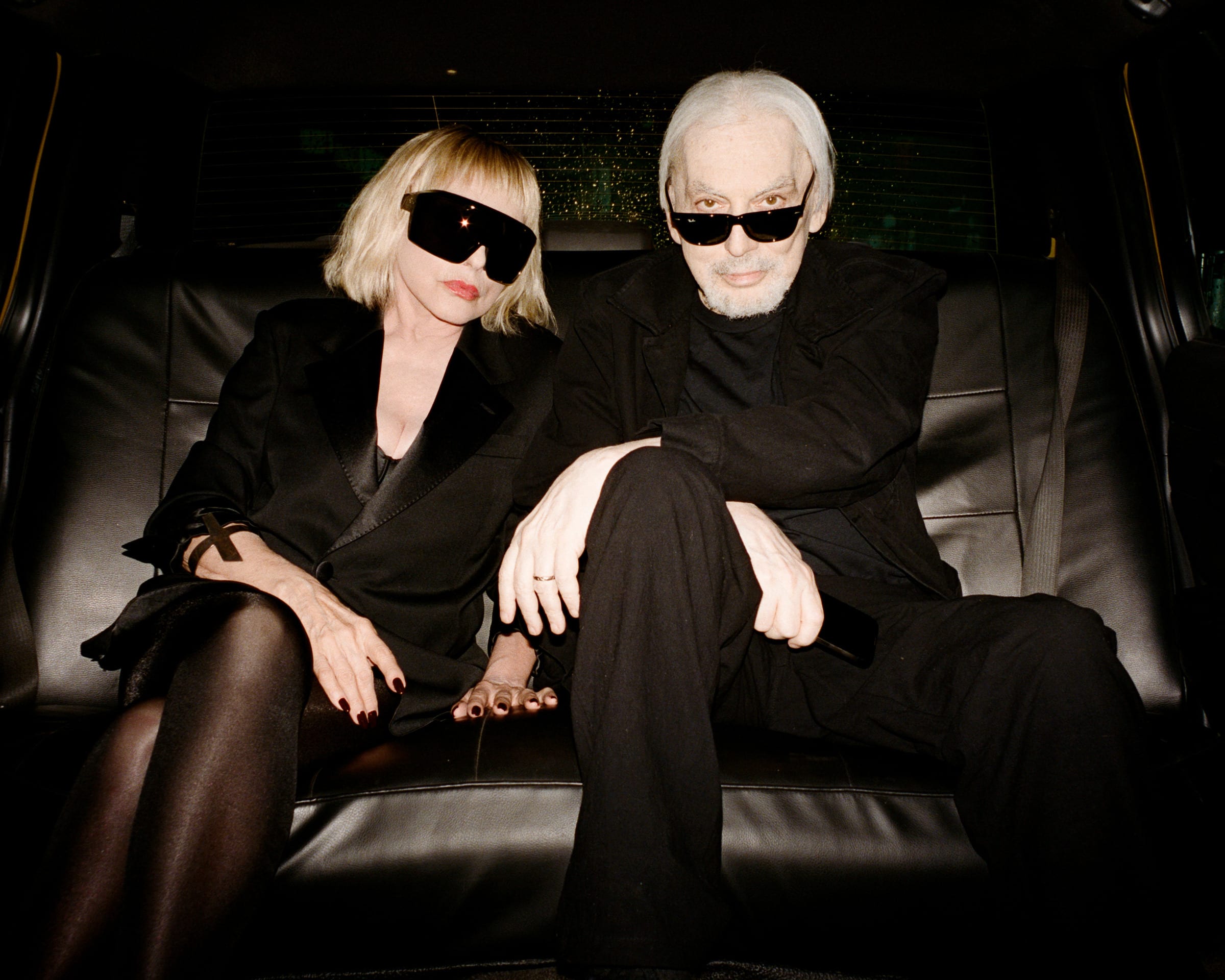
Photo Credit
Image courtesy of © Blondie · Photo: Maddy RotmanBlondie formed in 1974 around Deborah Harry and Chris Stein and grew up on the downtown circuit of CBGB and Max’s Kansas City, where Harry had waited tables. Parallel Lines and Heart of Glass took the band to the top of the American chart in 1979.
For a short listening route, start with Parallel Lines, go back to the first records, then forward to Rapture. On foot, use the Bowery as a stop for the CBGB years: the club is long gone, but CBGB ’73 is still carved into the pavement at 315 Bowery. Treat the clubs of the period as addresses in a music history, and check any present-day venue separately.
Before the cover photographs
Deborah Harry was a waitress at Max’s Kansas City, the Park Avenue South haunt of artists and musicians, before she and Chris Stein formed Blondie in 1974. The early band played the downtown circuit of CBGB, Max’s and Mother’s. It was a scene that ran on proximity: the audience was other bands, photographers and writers, and you went back the next week and tried again. Harry became the face, but the voice did the work.
Heart of Glass
Parallel Lines was recorded in the summer of 1978 with the producer Mike Chapman, and Heart of Glass became the band’s first American number one in 1979. Listen to how steadily the dance pulse holds while the voice stays light, almost detached. Rapture later carried New York’s young hip-hop culture to a pop audience. The records are evidence that the city’s supposedly separate night-time worlds were already listening to one another.

Photo Credit
Image courtesy of © Leonard J. DeFrancisci · CC BY-SA 4.0 via Wikimedia CommonsA portrait made in front of an audience
On 23 July 1985, at the Vivian Beaumont Theater in Lincoln Center, Andy Warhol drew Harry on a Commodore Amiga as part of the computer’s launch. It was a performance about making a picture, with a singer sitting for an artist and a new commercial machine between them. Set the result beside a Blondie publicity photograph. Both were made for public recognition, and both show how much Harry could say with a look.
A downtown guitar band that heard something useful in disco: that was the whole trick, and it was not a small one.
A listening route
The most reliable way back to Harry’s New York is still the records. The clubs gave Blondie its first audience; the band gave a far larger one the sound of a city speaking several musical languages at once. Blondie entered the Rock & Roll Hall of Fame in 2006.
Why it's on our list
- Before the cover photographs
- Heart of Glass
- A portrait made in front of an audience
- A listening route
Location
The map comes from Google Maps, which sets its own cookies once it loads.
More in depth
 Night lifeStudio 54: the nightclub that went back to being a theatreAn opera house, a TV studio, the most famous door in disco and, since 1998, a Broadway stage again.
 The back storyBroadway: how it works, what’s running and how to get ticketsHow Broadway works, which shows are running, and how to get tickets.
 The back storyThe High Line, the Whitney and cast-iron SoHo: New York’s art and architectureThe High Line, the Whitney, Chelsea and SoHo: New York’s culture.