Fashion · Designers
Four Cities, Four Designers: New York and Ralph Lauren
Ralph Lauren, the American dream and the business of fashion: New York’s style story.
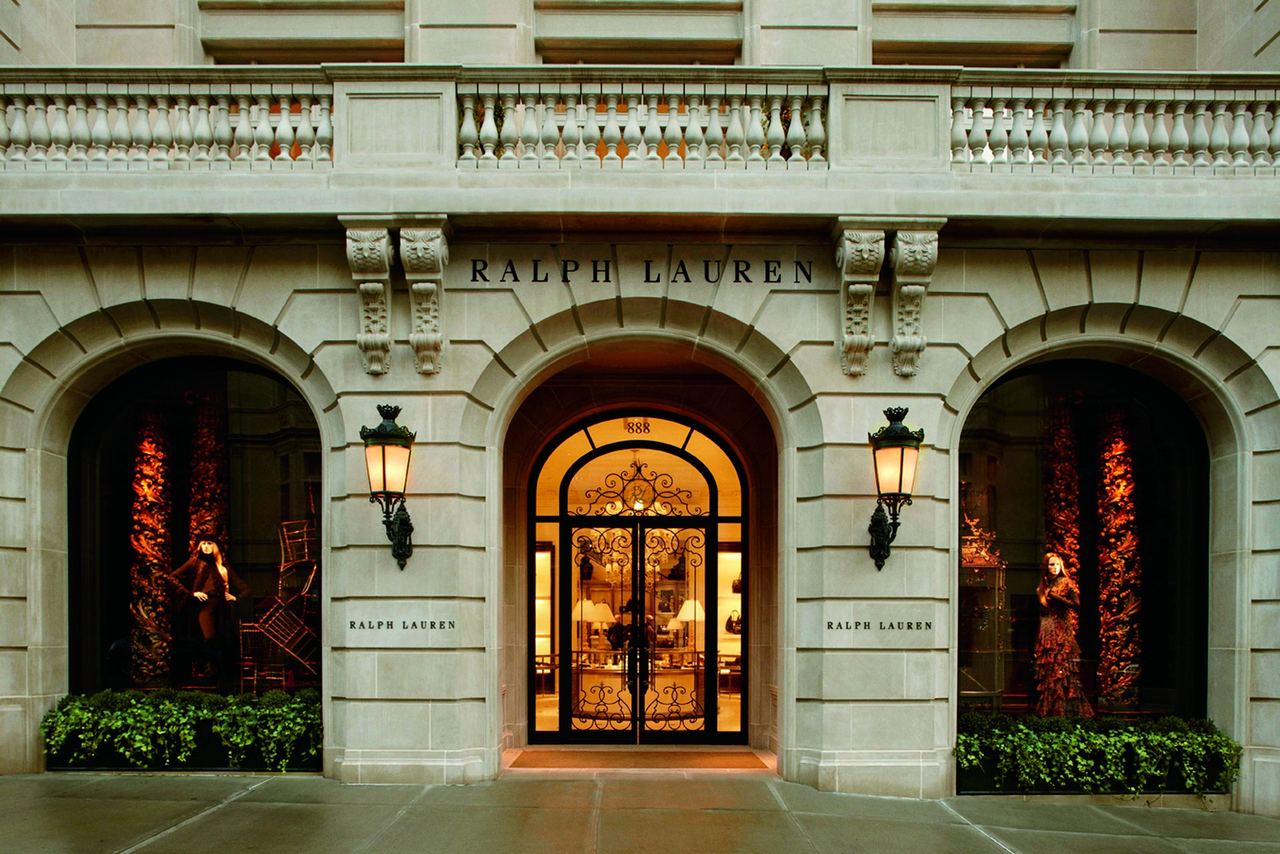
Photo Credit
Image courtesy of © Ralph Lauren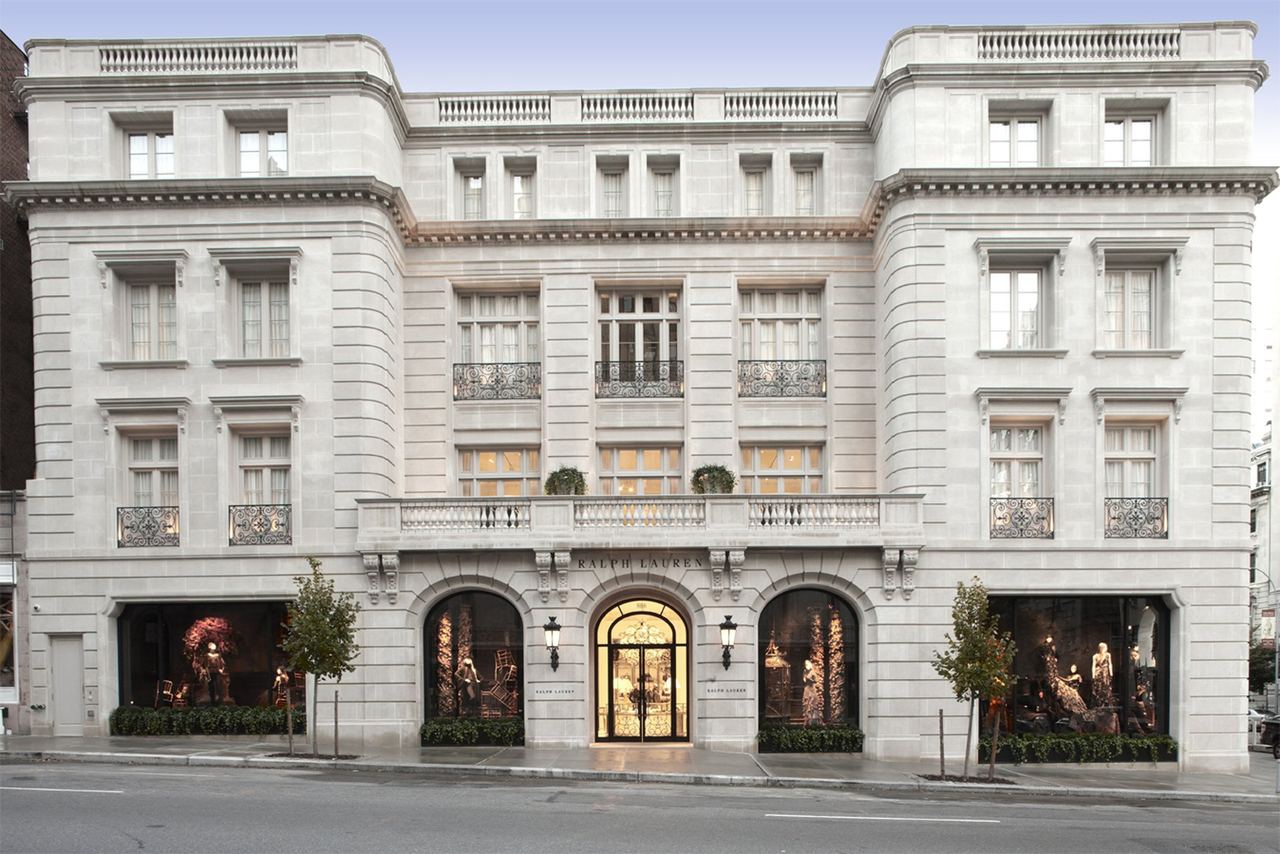
Photo Credit
Image courtesy of © Ralph Lauren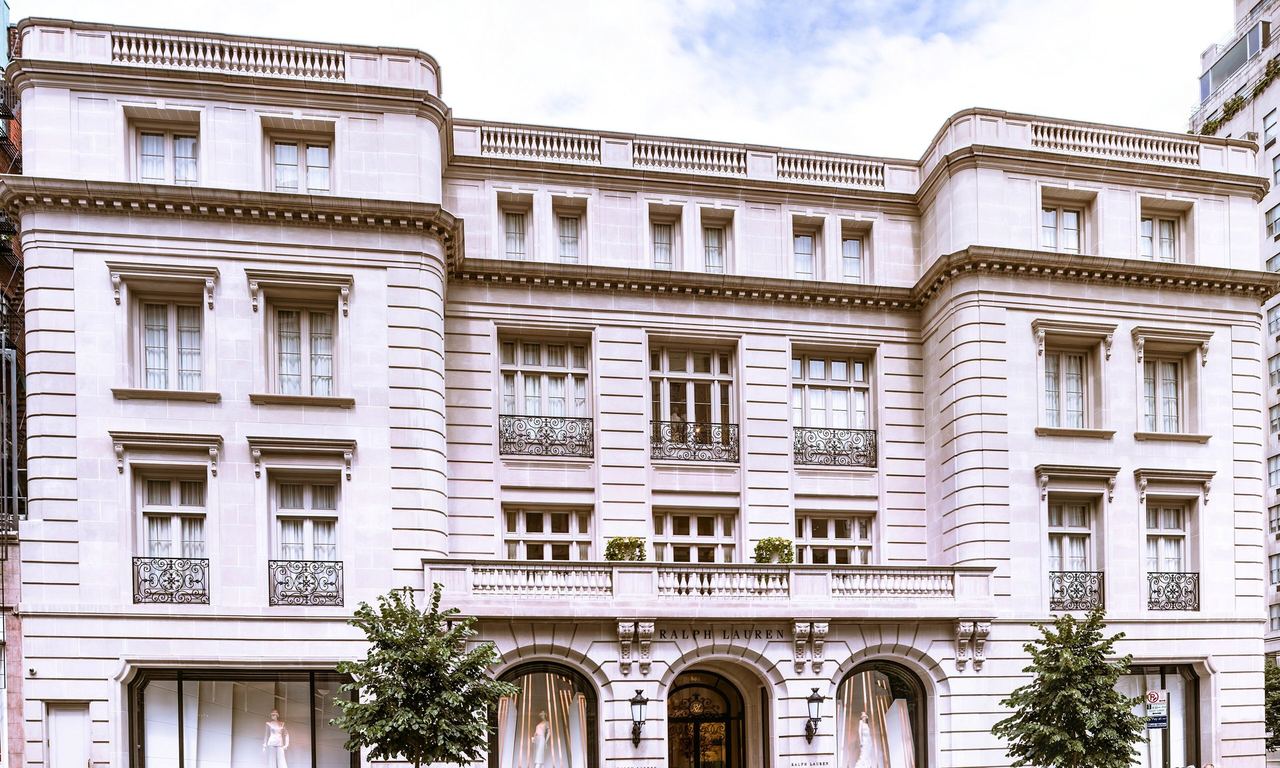
Photo Credit
Image courtesy of © WestportWiki · CC BY-SA 3.0 via Wikimedia Commons
Photo Credit
Image courtesy of © Ralph Lauren
Photo Credit
Image courtesy of © Ralph Lauren
Photo Credit
Image courtesy of © Ralph Lauren1 / 6
Paris gave fashion its elegance, London its rebellion, Milan its craftsmanship and New York its dream of a whole way of life. Four cities, four designers, and between them the shape of modern fashion.
The world’s fashion capitals
Fashion has never been only about clothes. What a city wears tells you about its history, its money, its music and its nerve, and a handful of cities have turned that into an international language.
Paris, London, Milan and New York are the great capitals of that language. Their fashion weeks set the agenda each season, but their reach goes far beyond the catwalk: into the luxury market, into what the rest of the world buys and wears, and into the business of fashion itself.
What gives these four cities their power? Look closely and the answer is usually a person: a designer whose private vision became a house, and whose house became part of a city’s identity.
This is one of four portraits, written to be read together like the pieces of a jigsaw. Here: New York and Ralph Lauren. Paris, London and Milan each have their chapter in their own ULTIMATE guide.
New York: Ralph Lauren and the American dream
Cross the Atlantic and fashion changes key. New York brings energy, diversity and commercial muscle to the story, with a thoroughly contemporary idea of style.
Paris has haute couture and centuries of luxury heritage; New York’s fashion identity belongs to American culture itself: sportswear, street style and the business of fashion. One designer, above all, helped define it: Ralph Lauren.
Ralph Lauren: more than fashion, a lifestyle
Ralph Lauren was born in the Bronx and started with men’s ties, designing them, as his company tells it, out of a drawer in the Empire State Building. In 1967 he launched his Polo brand.
What set him apart was that he never sold only clothes. He sold an image, an aspiration, a whole way of living, drawn from American sportswear, Ivy League dressing, country-club life and the elegance of the American countryside.
Polo shirts, Oxford shirts, tailored jackets, knitwear and denim became the grammar of his style. In time the house grew into an international empire of accessories, fragrance, home furnishings and lifestyle, proof of how powerfully a brand can sell an entire world of aspiration.
New York’s wider fashion influence
New York’s importance reaches well beyond any one designer. New York Fashion Week is the city’s international stage for established houses and new names alike; its official schedule is organised by the Council of Fashion Designers of America, founded in 1962.
Four cities. Four different visions. One global fashion industry.
The historic Garment District has long been a centre of clothing production, manufacturing and fashion trade, and designers such as Calvin Klein, Donna Karan and Marc Jacobs carried the city’s name around the world. Together, they show the diversity and commercial strength of American fashion.
Why New York matters: it stands for American identity, diversity, innovation, lifestyle branding and the commercial reach of the global fashion industry.
Our advice: on Madison Avenue, Ralph Lauren’s flagships stand at No. 867 and No. 888; from there it is a short walk to the Met on Fifth Avenue, whose 2011 Alexander McQueen retrospective, Savage Beauty, drew more than 650,000 visitors.
Four cities, four distinct fashion identities
All four sit at the heart of the international fashion industry, yet each has kept a character entirely its own.
At a glance: city, designer, fashion identity
Paris · Coco Chanel: elegance and luxury.
London · Vivienne Westwood: punk and rebellion.
London · Alexander McQueen: creativity and theatrical fashion.
Milan · Giorgio Armani: Italian craftsmanship.
New York · Ralph Lauren: American lifestyle and aspiration.
Conclusion: the influence of fashion beyond the catwalk
Together, these designers show how one creative vision can move an entire industry and change the way the world dresses. None of them made a fashion capital alone: Paris’s couture heritage predates Chanel, and London’s fashion story is far richer than punk. Each is an outstanding representative of a city, rather than the only reason it became a capital.
The influence of Paris, London, Milan and New York now reaches far beyond the seasonal collections and the shows. Between them, they have made fashion one of the world’s most powerful creative and commercial industries.
Each brought something of its own: Paris its heritage of luxury and elegance; London its rebellious creativity; Milan its craftsmanship and sophistication; New York its commercial energy and its gift for turning fashion into a way of life.
And none of it stands still. Fashion moves with society, reflects cultural change and keeps questioning established ideas. Its real power lies not in the clothes alone, but in the stories, identities and visions behind them.
Four cities. Four different visions. One global fashion industry.
Location
The map comes from Google Maps, which sets its own cookies once it loads.
More in depth
 Fashion · In depthThe Business of Fashion WeekFour cities, two seasons: how the fashion weeks work and who runs them.
 Fashion · ShowsNew York Fashion Week: The Shows and the Rising NamesThe week that opens the season, the CFDA Awards and New York’s rising designers.
 The back storyBroadway: how it works, what’s running and how to get ticketsHow Broadway works, which shows are running, and how to get tickets.