The back story
New York After Dark: Music, Art and Club Heritage
From Warhol’s Factory and CBGB to Studio 54: where New York’s music, art and fashion met.
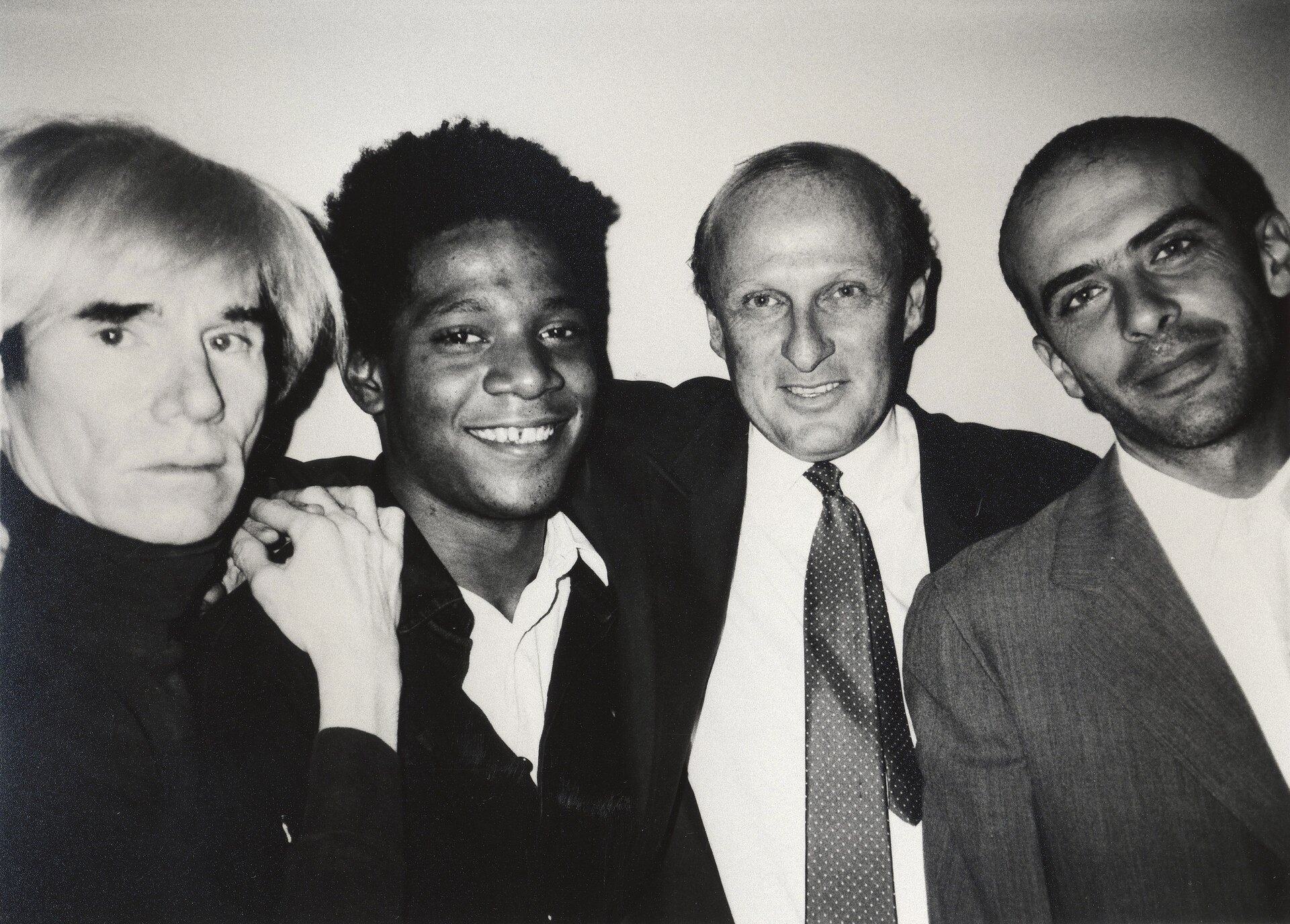
Photo Credit
Image courtesy of © Galerie Bruno Bischofberger · CC BY-SA 4.0 via Wikimedia CommonsThe story of New York’s nights, from Andy Warhol’s Silver Factory and Max’s Kansas City to CBGB, Blondie, the Mudd Club, Studio 54, the Paradise Garage and the Apollo, with the venues where the city still goes out today.
In New York, music was never only music. From the 1960s to the 1980s the city’s clubs were where painters, musicians, designers and dancers met and fed one another: Warhol’s silver studio, the punk bars of the Bowery, the disco palaces of Midtown and the art clubs of TriBeCa. That meeting of music, art and fashion is the thread that runs through every chapter of the story.
The Factory and Max’s Kansas City: the 1960s
In January 1964 Andy Warhol moved his studio into a fifth-floor loft at 231 East 47th Street. Billy Name covered it in silver paint and foil, and the Silver Factory became a meeting place for artists, poets, musicians and the Warhol superstars, where silkscreens were printed and films shot side by side. Lou Reed, Bob Dylan and Mick Jagger all passed through.
In 1965 Warhol took up the Velvet Underground, and he designed the banana cover of The Velvet Underground & Nico. In 1966 he and Paul Morrissey staged the Exploding Plastic Inevitable at the Dom, a dance hall on St. Mark’s Place: live rock, film, light projections and dance in one room, a pioneer of the multimedia show.
Max’s Kansas City opened on Park Avenue South on 6 December 1965, and Warhol’s circle soon held court in its back room, lit by a red light installation by Dan Flavin; Warhol called it the place where Pop Art and pop life came together. Over the years the Hotel Chelsea on West 23rd Street was home to Bob Dylan, Janis Joplin, Leonard Cohen, Patti Smith and Robert Mapplethorpe.
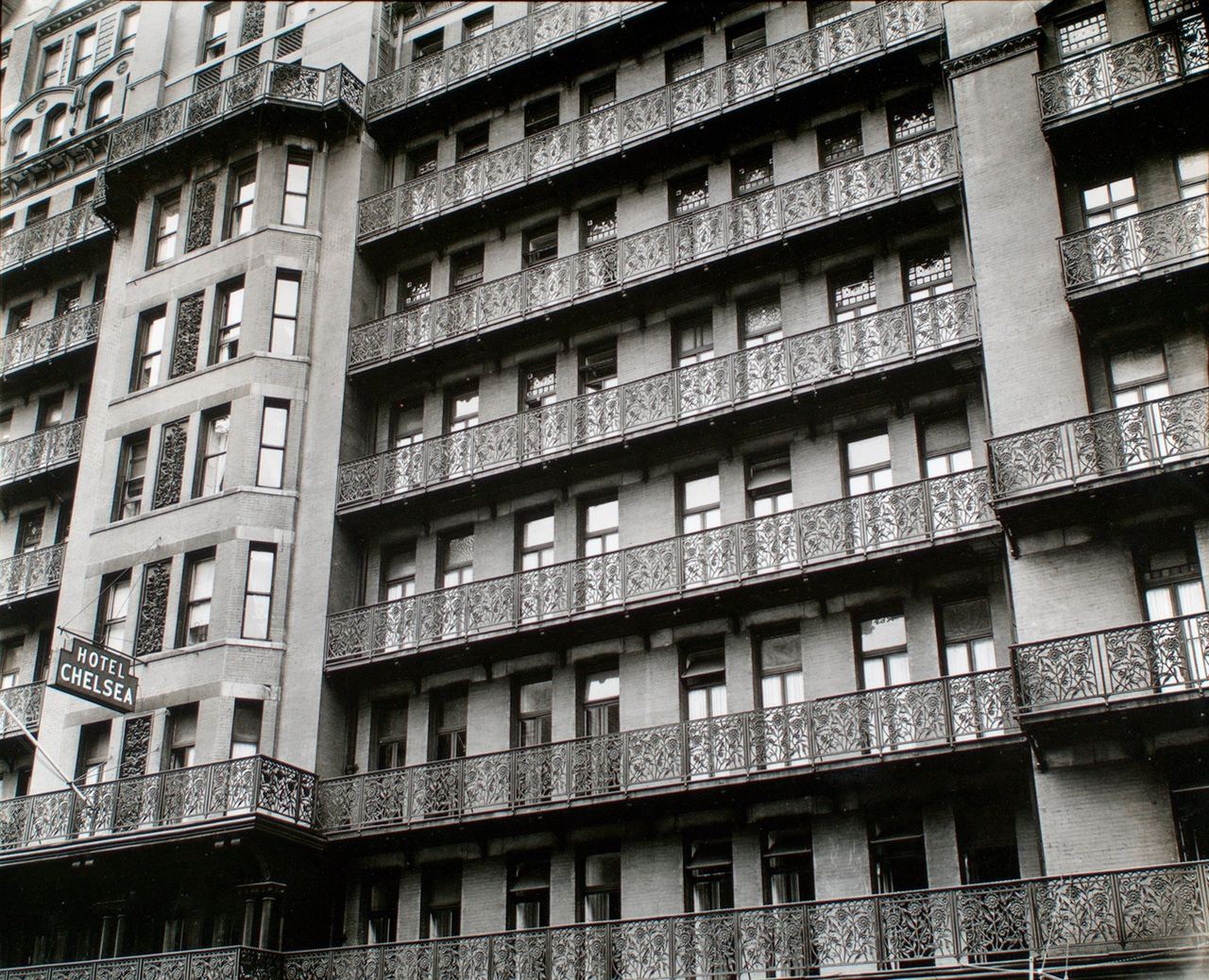
Photo Credit
Image courtesy of © Berenice Abbott (New York Public Library) · Public domain via Wikimedia CommonsIn 1968 the Factory moved to Union Square, where Warhol also ran Interview magazine, and in August 1974 to 860 Broadway. By then it was a salon for the worlds of art, fashion and society, and many of its guests came to sit for his portraits.
CBGB, Blondie and the birth of punk
In 1973 Hilly Kristal opened CBGB at 315 Bowery. The letters stood for Country, Bluegrass, Blues, but the narrow club became the cradle of American punk and new wave: the Ramones, Television, the Patti Smith Group, Talking Heads and Blondie all came up on its stage, and histories of punk trace the genre’s spread to Britain back to it.
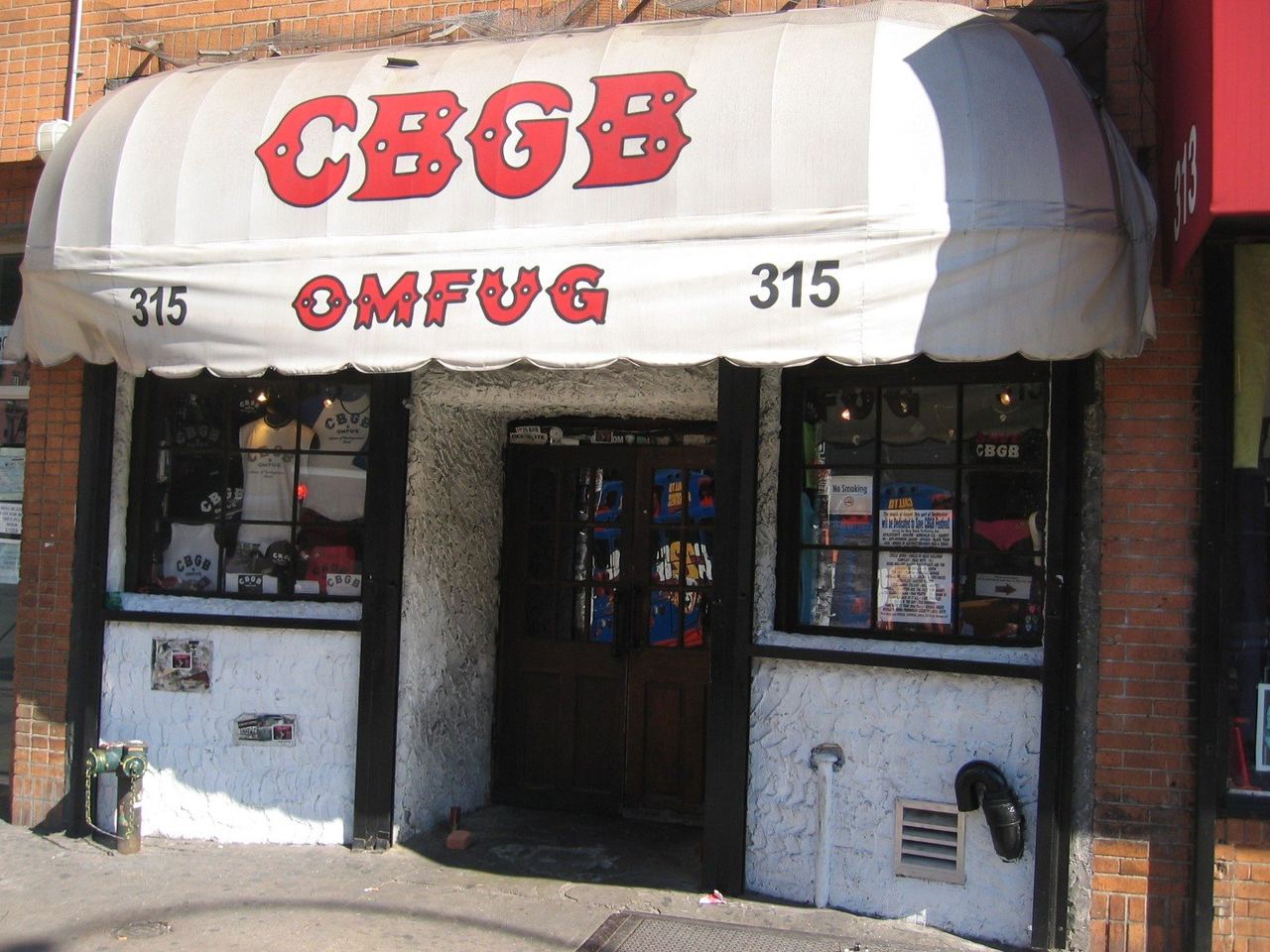
Photo Credit
Image courtesy of © Adam Di Carlo · CC BY-SA 3.0 via Wikimedia Commons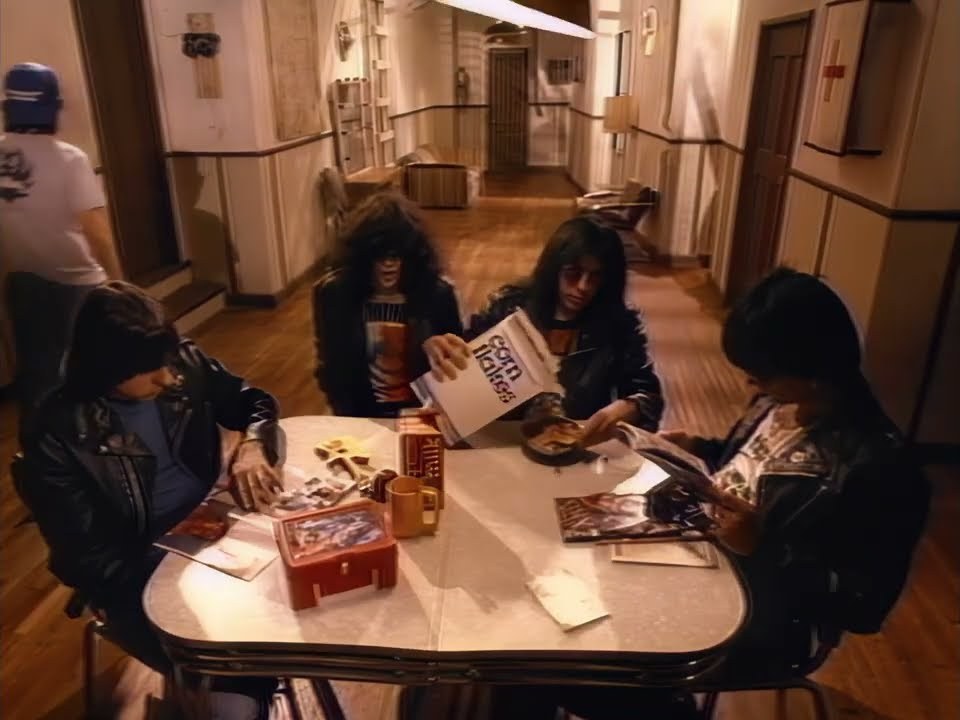
Video Credit
Video © Ramones · plays from YouTube, which may set its own cookies once it startsDebbie Harry had waitressed at Max’s Kansas City; in 1974 she and Chris Stein formed Blondie, and the band became regulars at both Max’s and CBGB. Their third album, Parallel Lines (1978), made them stars, and its disco-infused “Heart of Glass” reached number one in Britain and America in 1979: the downtown punks had found the dance floor.
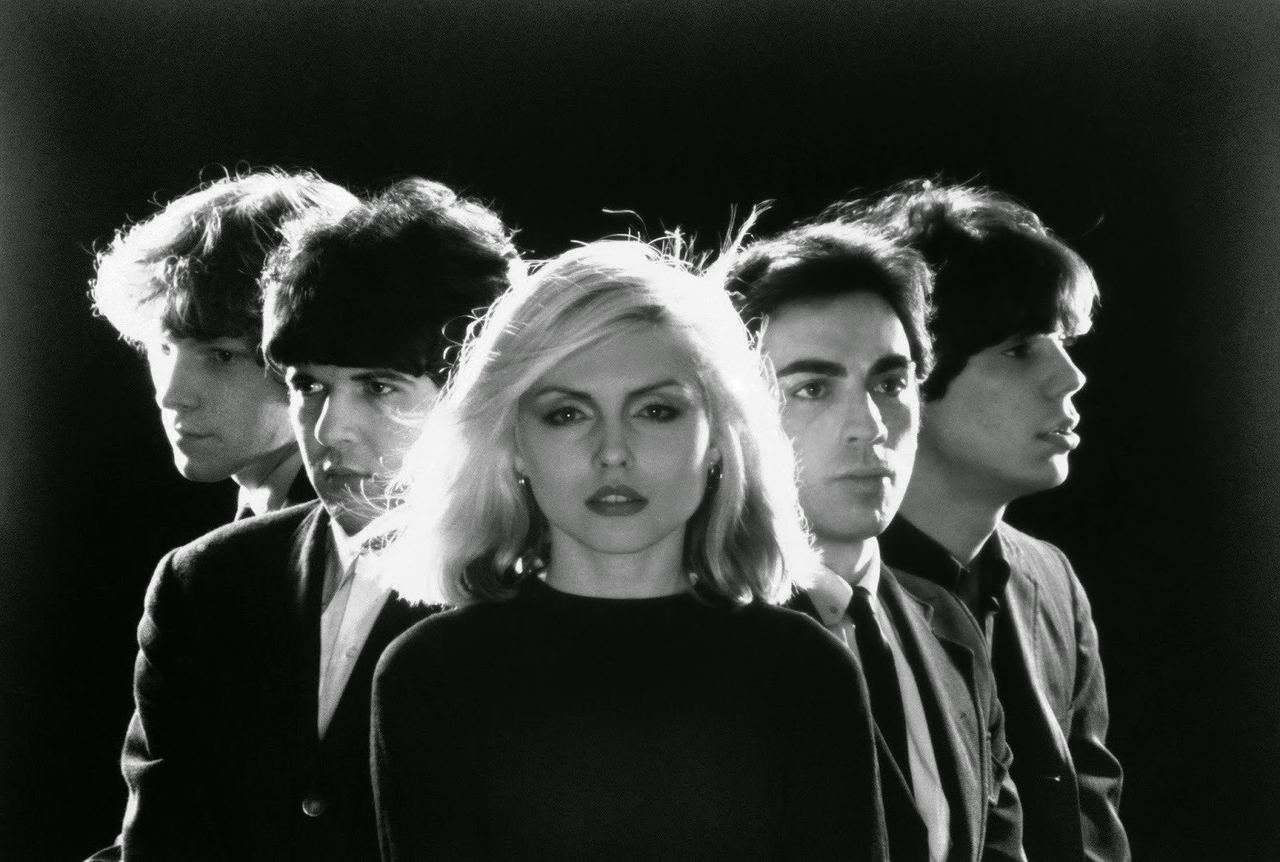
Photo Credit
Image courtesy of © Private Stock Records · Public domain via Wikimedia Commons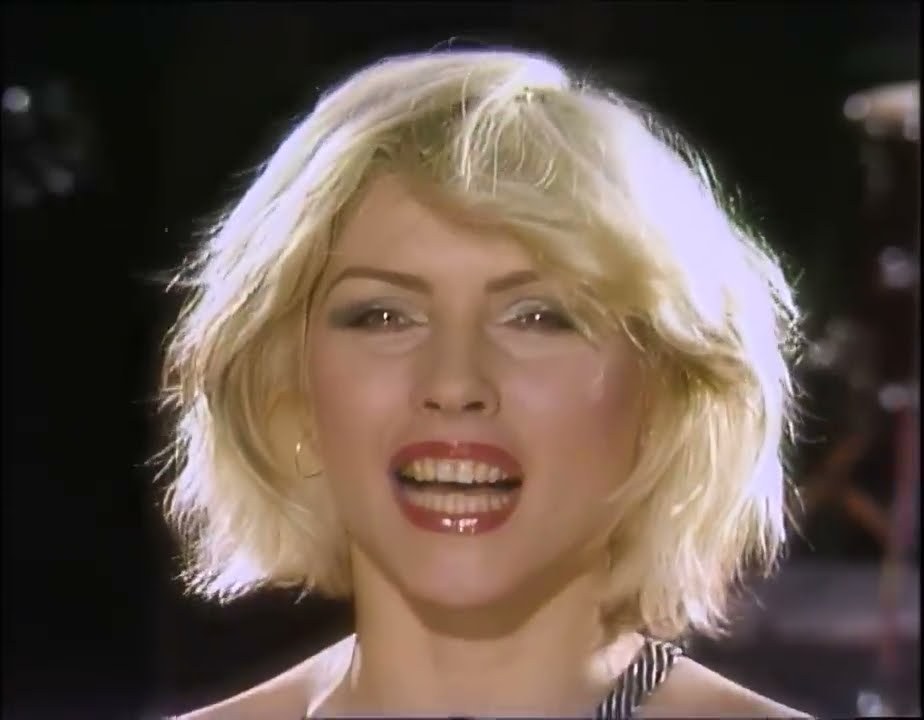
Video Credit
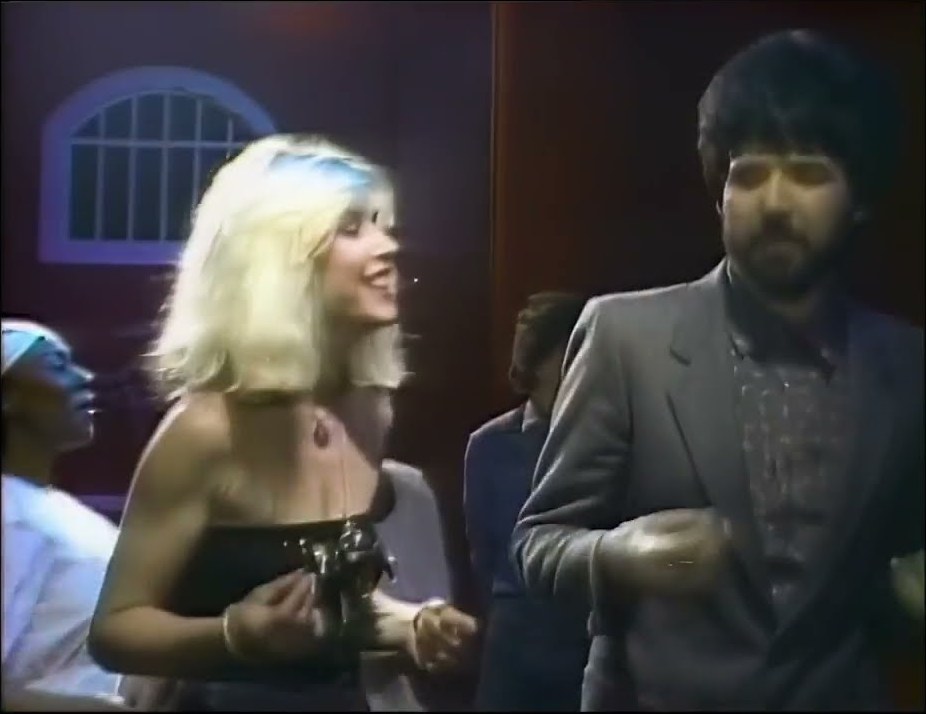
Video © Blondie · plays from YouTube, which may set its own cookies once it startsThe art world adored Harry. In August 1980 Warhol photographed her at the Factory for a set of four silkscreen portraits. In 1981 Blondie’s “Rapture” became the first song with rap to reach number one in America, and in its video a young Jean-Michel Basquiat stands in as the DJ.
Video Credit
Video © Blondie · plays from YouTube, which may set its own cookies once it startsCBGB closed on 15 October 2006, after Patti Smith played for three and a half hours. The building is now part of the Bowery Historic District on the National Register of Historic Places.
Downtown 81: the Mudd Club, Basquiat and the art clubs
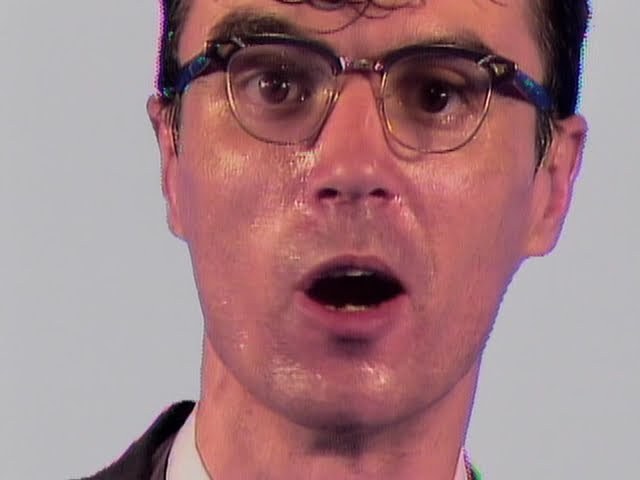
In 1978 Steve Mass, Diego Cortez and Anya Phillips opened the Mudd Club at 77 White Street in TriBeCa, a downtown antidote to the glitz of Studio 54. Keith Haring curated a gallery on its fourth floor, Anna Sui and Jasper Conran showed early collections there, Talking Heads played songs from Fear of Music in 1979, and Basquiat’s band, Gray, was on the bill.
Video Credit
Video © Talking Heads · plays from YouTube, which may set its own cookies once it startsBasquiat had first made his name in 1978 as SAMO, the tag he and Al Diaz sprayed across Lower Manhattan. He painted clothes too, which Patricia Field sold in her Eighth Street boutique, and he sold his first painting to Debbie Harry. In 1983, at 22, he was one of the youngest artists ever shown at the Whitney Biennial.
In 1984 and 1985 he and Warhol painted canvases together, and from 1983 he lived and worked at 57 Great Jones Street, a former stable owned by Warhol. He painted in Armani suits and sometimes took over the turntables at Area. He died in 1988, aged 27; the Whitney held a retrospective of his work in 1992.
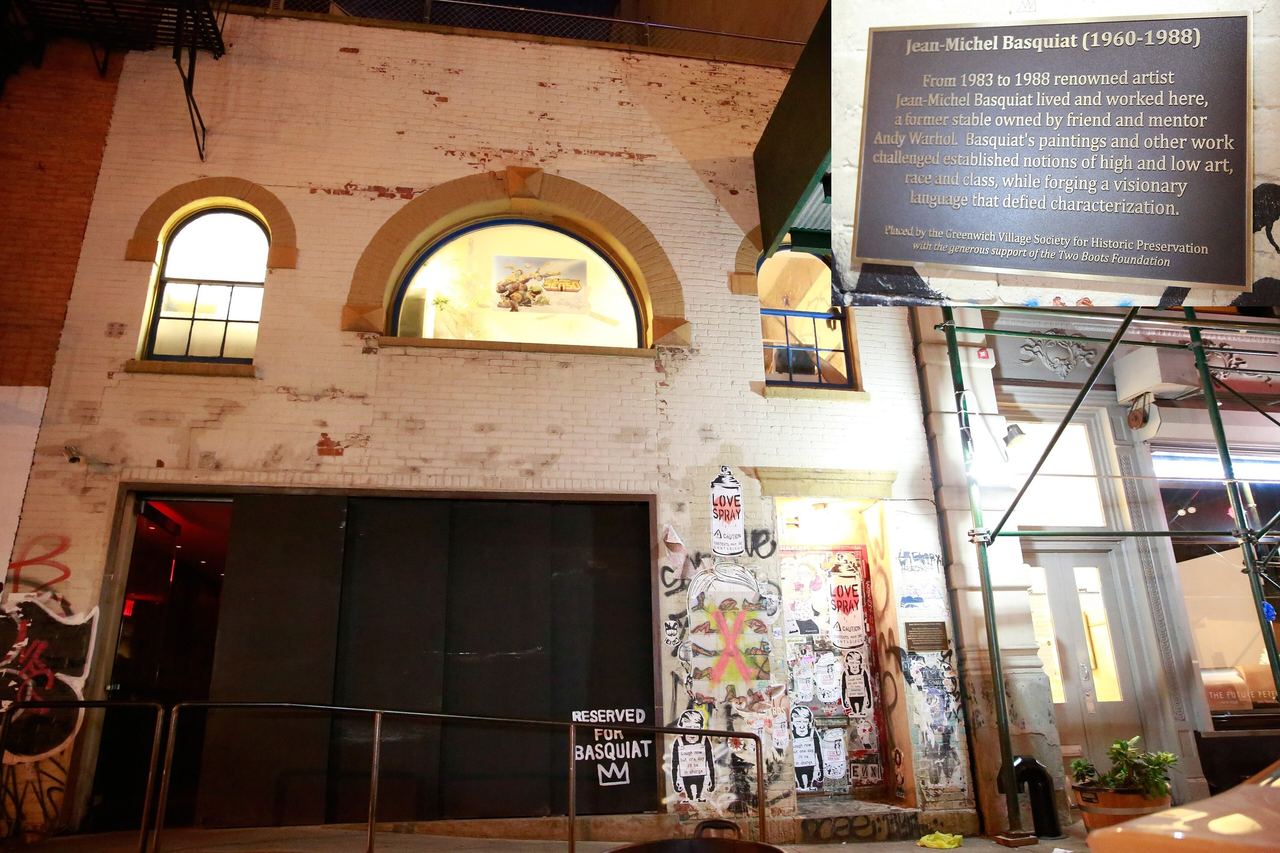
Photo Credit
Image courtesy of © Flintmichigan · CC BY-SA 4.0 via Wikimedia CommonsIn 1985 Steve Rubell and Ian Schrager opened the Palladium on East 14th Street, redesigned by the architect Arata Isozaki, with works commissioned from Haring, Basquiat and Kenny Scharf; Azzedine Alaïa showed a collection there that September. Haring had started with chalk drawings in the subway in 1980, and in 1986 opened his Pop Shop in SoHo.
Warhol called Studio 54 “a dictatorship on the door but a democracy on the dance floor”.
Uptown, a new sound was rising. On 11 August 1973 DJ Kool Herc had played a party in the recreation room of 1520 Sedgwick Avenue in the Bronx, a night long called the birth of hip hop. The graffiti artist Fab 5 Freddy introduced Harry and Stein to the Bronx scene, and “Rapture” name-checks him.
Studio 54
On 26 April 1977 Steve Rubell and Ian Schrager opened Studio 54 in a former opera house and CBS television studio at 254 West 54th Street. Disco was sweeping America, and within a month the club was drawing around 2,000 people a night; a photograph of Bianca Jagger on a white horse inside the club went round the world.
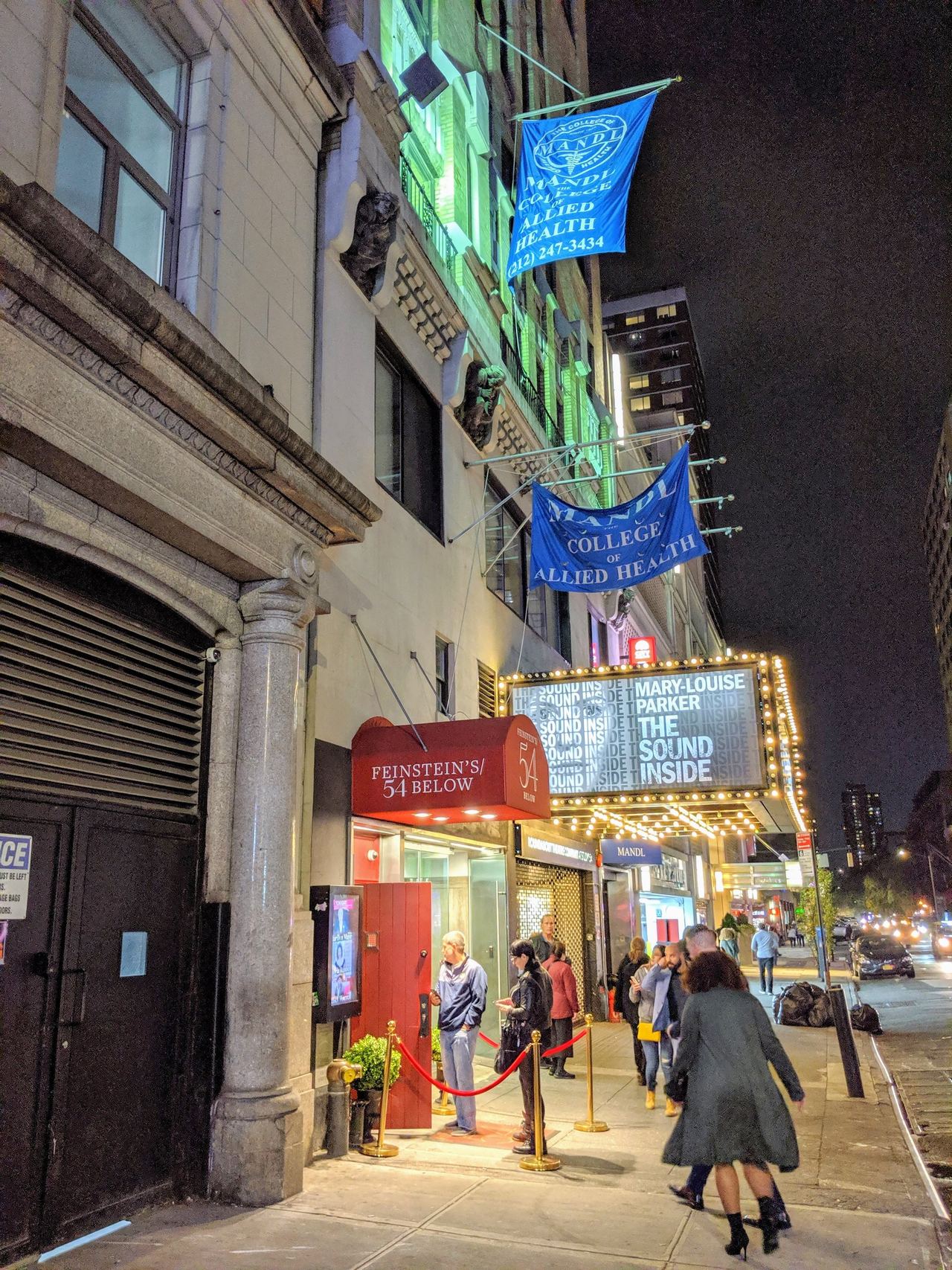
Photo Credit
Image courtesy of © Eden, Janine and Jim · CC BY 2.0 via Wikimedia CommonsFashion made it famous. Halston, whose Ultrasuede shirtdress defined the decade, was one of its best-known regulars, photographed there with Liza Minnelli, Bianca Jagger, Warhol and Rubell. The door was notoriously hard to pass: Warhol called it a dictatorship on the door and a democracy on the dance floor, and Chic wrote “Le Freak” after being turned away.
Video Credit
Video © Rhino Entertainment · plays from YouTube, which may set its own cookies once it startsThe first era ended with a farewell party on the night of 2–3 February 1980, with Diana Ross and Liza Minnelli singing, after the owners were convicted of tax evasion. Since 1998 the building has been a Broadway house, Roundabout Theatre Company’s Studio 54, which opened with Cabaret; 54 Below has run a cabaret room in the basement since 2012.
Out on the dance floor: Stonewall, the Loft and the Garage
New York’s gay clubs did as much as any to invent modern nightlife. In the early hours of 28 June 1969 a police raid on the Stonewall Inn on Christopher Street was met with nights of protest, and on its first anniversary, in 1970, Christopher Street Liberation Day became one of the first Pride marches in America. The Stonewall Inn is still a bar today.
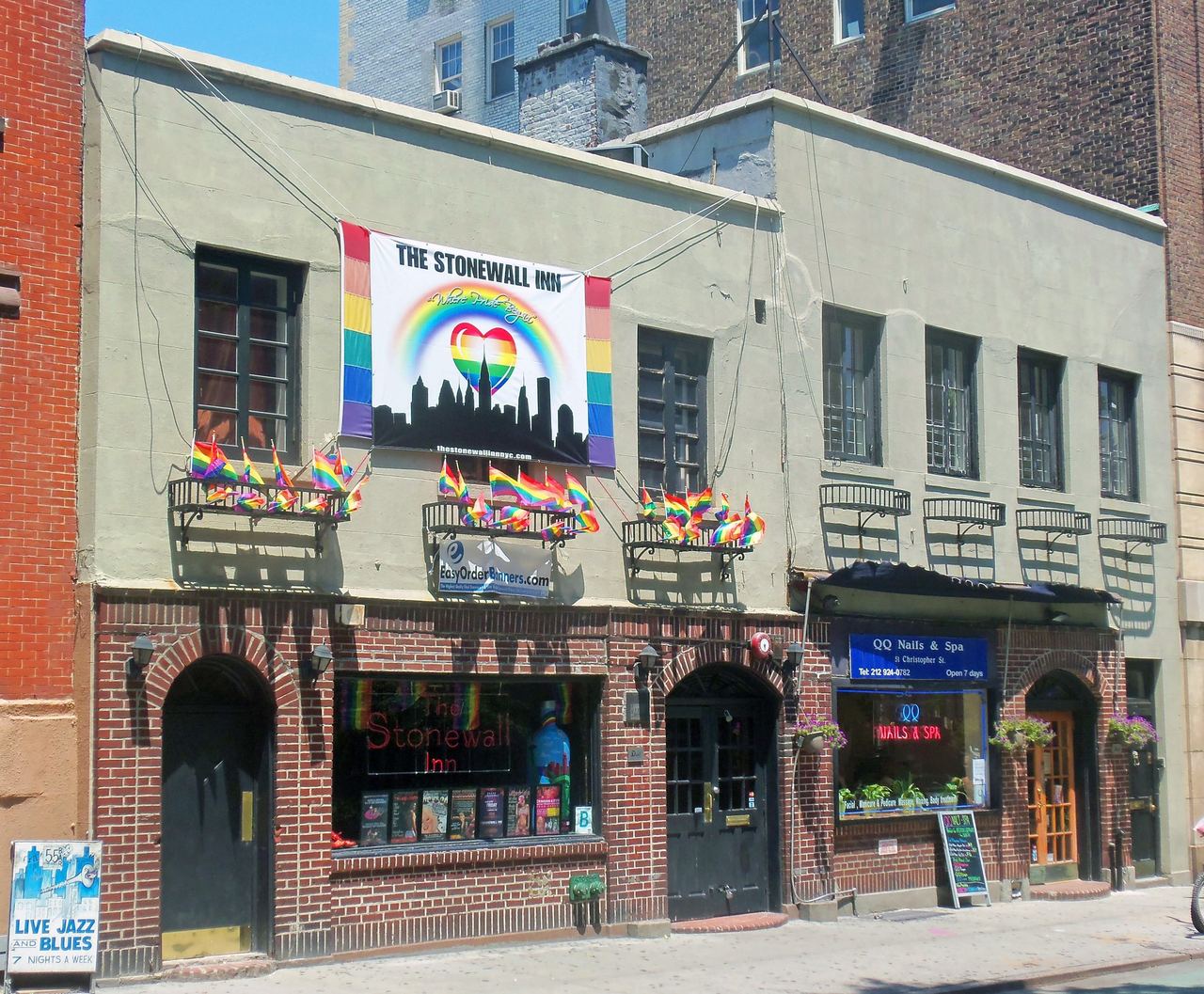
Photo Credit
Image courtesy of © Daniel Case · CC BY-SA 3.0 via Wikimedia CommonsOn 14 February 1970 David Mancuso threw the first “Love Saves the Day” party at his loft on Broadway: invitation only, no alcohol for sale, a superb sound system and a crowd mixed in race and sexuality. The Loft became the model for the Paradise Garage, which Michael Brody opened at 84 King Street, officially in January 1978.
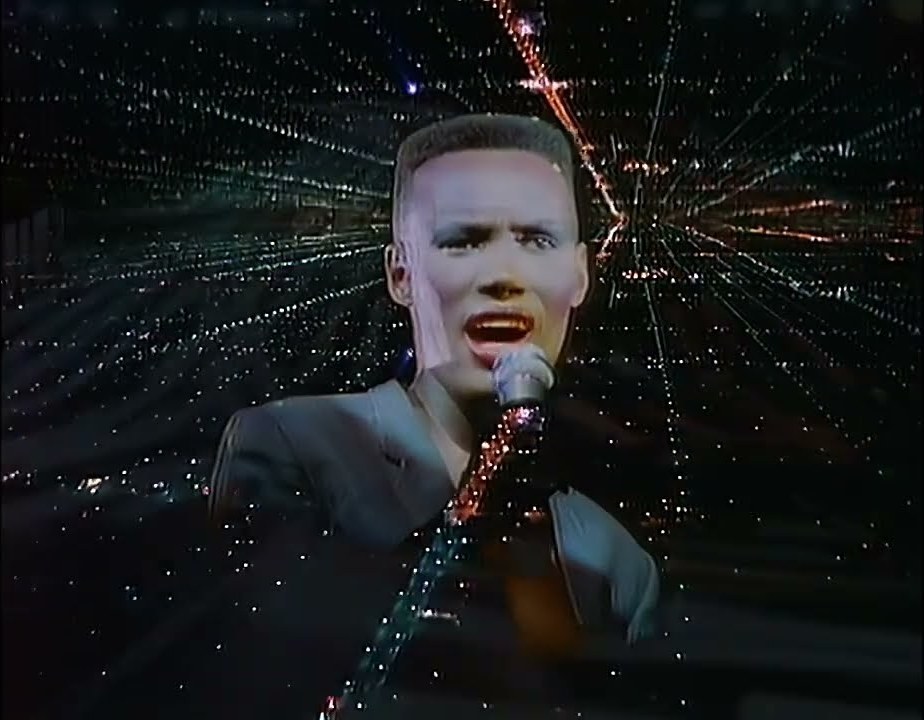
At the Garage the resident DJ, Larry Levan, was put at the centre of the room, and the mix of disco, soul and new dance records he played became known as garage. Keith Haring body-painted Grace Jones for her performances there. The club closed in September 1987 with a 48-hour party, and it is cited as the inspiration for London’s Ministry of Sound.
Video Credit
Video © Grace Jones · plays from YouTube, which may set its own cookies once it startsLevan’s friend Frankie Knuckles, who had started out beside him at the Continental Baths, took the same sound to Chicago, where the Warehouse opened in 1977 and gave house music its name. Back in Manhattan, The Saint, an early gay superclub, filled the old Fillmore East from 1980 to 1988, and from 1984 the Wigstock drag festival took over Tompkins Square Park.
The city’s ballroom scene, whose drag balls go back to the Hamilton Lodge Ball of 1869, reached a world audience in Jennie Livingston’s film Paris Is Burning (1991).
Live music: from the Apollo to the Bowery
Harlem’s Apollo Theater on 125th Street has been a stage for Black performers since 1934, when the jazz singer Adelaide Hall became its first major star, and its Amateur Night still lets the audience decide who stays on stage.
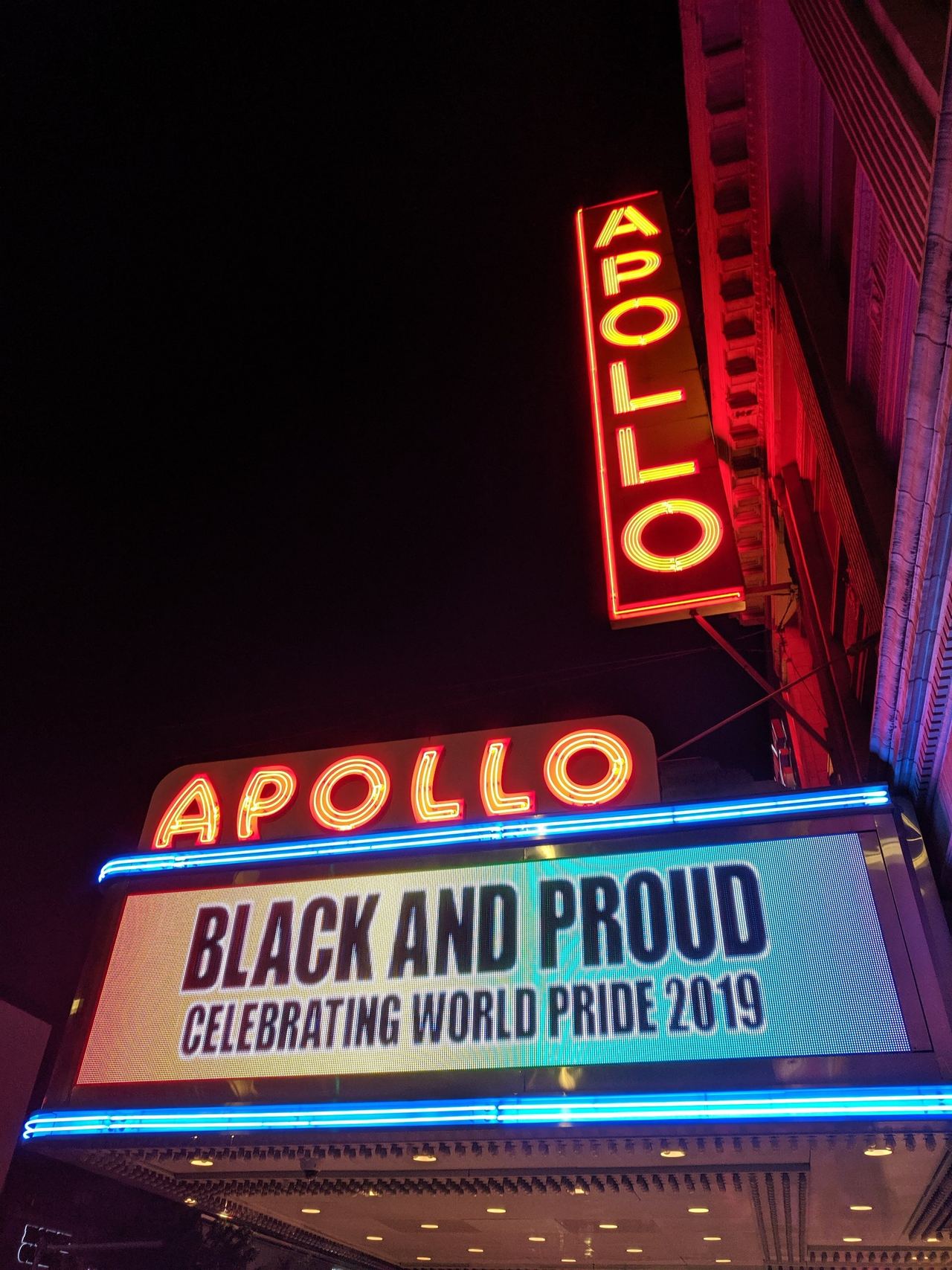
Photo Credit
Image courtesy of © Bohemian Baltimore · CC BY-SA 4.0 via Wikimedia CommonsBill Graham’s Fillmore East on Second Avenue, “the Church of Rock and Roll”, ran from March 1968 to June 1971, and the Allman Brothers Band recorded their breakthrough live album there. Webster Hall on East 11th Street, built in 1886 and often called the first modern nightclub, was the Ritz rock club through the 1980s and reopened in April 2019 after a renovation.
For new bands, the Bowery Ballroom on Delancey Street has been the room to play since 1998; in 2013 industry insiders polled by Rolling Stone named it the best club in America. Radio City Music Hall, the Beacon Theatre and Madison Square Garden take the biggest names.
New York after dark today
Much of the story can still be visited. Studio 54 is a Broadway theater again, the Hotel Chelsea has reopened with its spa, and the Whitney, at the foot of the High Line, keeps the art of the era close. For a night out, Webster Hall and the Bowery Ballroom book the bands, Marquee New York in Chelsea fills a big room with DJs, and the Apollo still holds Amateur Night in Harlem.
Our advice
Our advice: check each venue’s own listings a week or two ahead, since the best club nights and small gigs sell out, and buy tickets only from the venue or its official ticket partner. Most clubs admit over-21s only, and ID is checked at the door. The old downtown addresses, from the Bowery and St. Mark’s Place to Great Jones Street and Christopher Street, make a fine afternoon’s walk.
Why it's on our list
- Warhol and the Factory
- CBGB and Blondie
- Basquiat and the art clubs
- Studio 54
- Stonewall, the Loft and the Garage
- Where to go now
Location
The map comes from Google Maps, which sets its own cookies once it loads.
More in depth
 The back storyFrom the Vanguard’s basement to Dizzy’s Club: jazz in the city that shaped itFrom the Village Vanguard to Dizzy’s Club: where to hear jazz.
 The back storyThe transcontinental railroad, the California Zephyr and the Coast Starlight: America by trainThe first transcontinental railroad and the great trains of today.
 The back storyEmpire State to SUMMIT: New York’s observation decks comparedFive observation decks: which view is for you?