ULTIMATE Life Coaching
Enhancing Resilience: how to bounce back from change
Why some people seem to whizz through life unscathed, a quick quiz, and six ways to bounce back.
ⓘ Photo
Image courtesy of © Jor Eg / UnsplashWhy do some people seem to whizz through life unscathed while others see only its blacker side? Almost nobody escapes life’s challenges. The difference is resilience, and the good news is that it can be learned.
New York has had to bounce back more often than most cities, and it knows how. Storms, hard times and heartbreak have come and gone, and each time the city has bent, gathered itself and found its feet again. Its people are often the same: tough on the outside, tender underneath, and far more resilient than they give themselves credit for.
In Japan there is an old craft called kintsugi, in which broken pottery is mended with lacquer and gold, so that the cracks become the most beautiful part of the bowl. Mended is not the same as ruined.
Why do some people seem to whizz through life unscathed, while others feel weighed down, and others still spend their lives looking for greener grass? The truth is that almost no one escapes unscathed: money worries, job insecurity, family rows and broken hearts come to most of us.
What differs is how we meet them. Resilience isn’t toughness, and it isn’t pretending all is well. Resilient people feel sadness and fear like anyone else. They simply bend rather than break, like a willow in a gale, and find their balance again faster.
On the Hudson, Little Island now stands where an old pier was lost to Hurricane Sandy. Imagine someone going through a painful divorce who walks there in the evenings and sees in it a simple truth: something good can grow where something was broken. She might sit and watch the river until the sun goes down, then walk home a little steadier each time.
Check your own resilience
For each pair, which sounds more like you? (a) Life should be straightforward and predictable, or (b) life is full of variety and change. (a) Life is punishing, or (b) life is usually rewarding. (a) Change is a mystery, or (b) change is a process I can manage. (a) Change is to be avoided, or (b) change is an opportunity.
Mostly (b)? You already have a strong sense of your own resilience. Mostly (a)? Don’t worry. Read on.
Six ways to build it
1. Check your life script. “Things never work out for me” and “I always find a way” lead to very different places. Rewrite the story if it holds you back.
2. Gather your people. Nobody bounces back alone; ask for help when you need it.
3. Split what you can control from what you can’t, and put your energy into the first list.
4. Remember the hard times you have already come through. You survived every one.
Resilient people face no fewer challenges. They simply find their balance again faster.
5. Look after the basics: sleep, food, fresh air, movement.
6. Rediscover your enthusiasm for life: whatever makes you laugh, lose yourself or feel grateful.
Three good things
One of the gentlest and best-loved habits for building resilience is also one of the simplest: each evening, write down three things that went well, however small. It trains the eye to notice the good already there, like a crocus in the snow.
If stress is overwhelming you, or you can’t see a way through, please talk to your doctor or a counsellor. That is resilience too.
Try this today
1. Tonight, before sleep, write down three good things from today: a kind word, a good cup of tea, a moment of sunshine.
2. Write one hard time you have already come through, and one thing that helped you through it.
3. Send a short message to one of “your people”, just to say hello.
A question to sit with
What has life already taught you that you could only have learned the hard way?
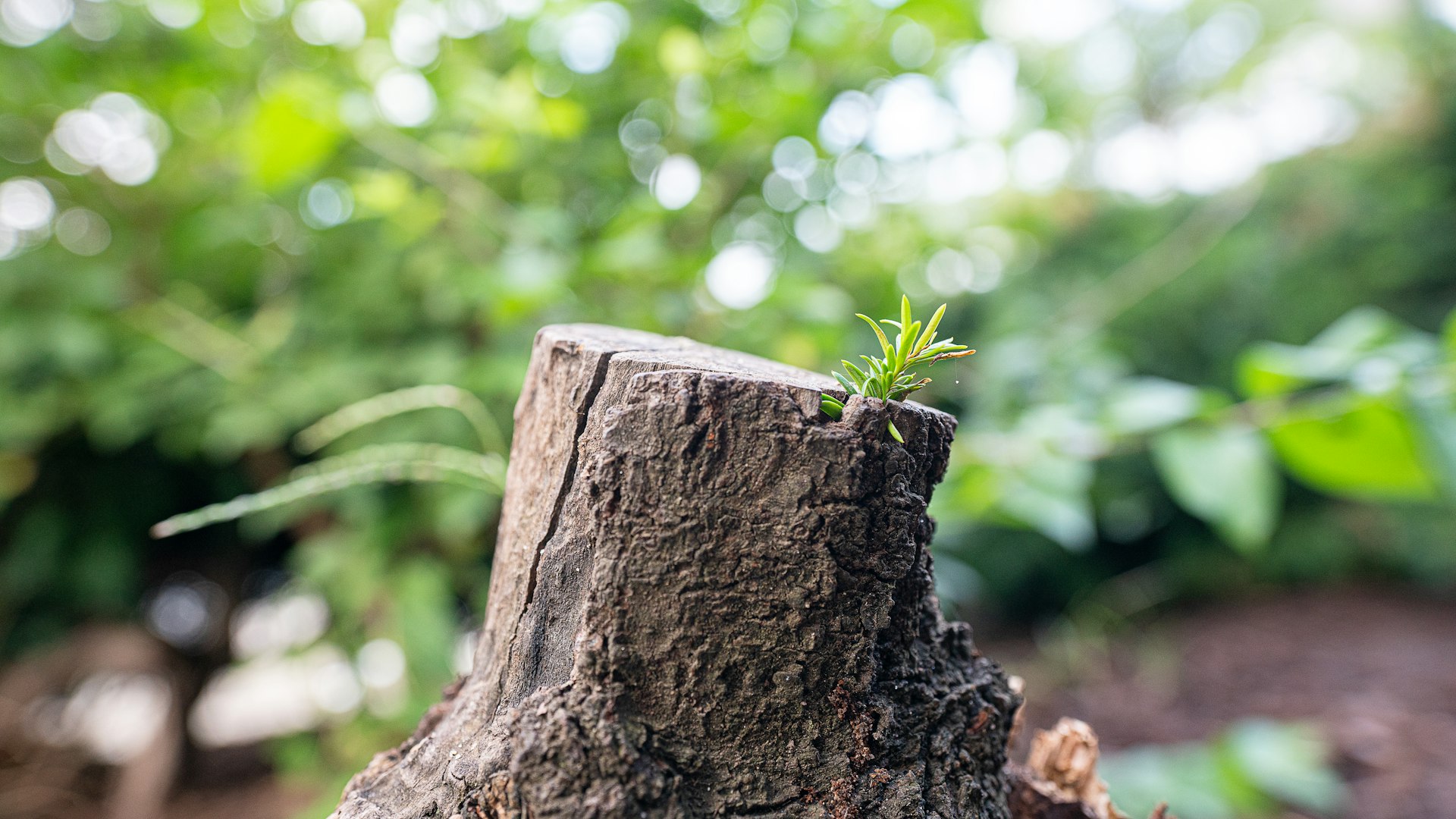
Look at a tree stump in spring and you will often see a green shoot rising from the old wood. Nobody told it the tree was finished. Life has a way of finding the light again, and so, dear friend, do you.
So when life knocks you sideways, remember you live in a city that knows all about getting back up. Gather your people, look after the basics, and take your three good things to bed each night. New York bends; it doesn’t break. Neither will you.
When you need perspective, take a day out of the city to Walkway Over the Hudson, which calls itself “the world’s longest elevated pedestrian bridge”, linking Poughkeepsie and Highland. Walk out to the middle and stand high above the wide river, the valley stretching away on both sides. Troubles that fill a small apartment have a way of looking smaller under so much sky. Then walk back to the shore, step by steady step.
More in depth
 The back storyThe Plaza, the St. Regis and the Carlyle: how New York’s grand hotels became landmarksThe Plaza, the Waldorf and the Carlyle: grand hotels as landmarks.
 The back storyDelis, pizza and steakhouses: the New York tablePastrami, a slice and a steak: the classic tastes of New York.
 The back storyHow to read the MICHELIN Guide New York, and where the three stars areHow to read the MICHELIN Guide New York, and where its three-star restaurants are.